Across the globe, millions rely on satellite beams to stay connected to news, sports, movies, and cultural programming that shapes daily life. What makes this vast network possible is a delicate balance of orbital engineering and precise ground tuning—where even minor frequency adjustments can open doors to entirely new channel packages.
Signal Flow stands at the forefront of this ecosystem, continuously monitoring transponder activity, validating signal parameters, and highlighting the most valuable content currently on air. Our mission is simple: deliver straightforward, dependable frequency information that works the first time you enter it into your receiver.
Ready to expand your lineup? Here are the latest confirmed frequencies and details waiting to bring sharper pictures and richer sound to your screen.
Satellite signals travel millions of miles to deliver entertainment straight to your screen, yet the difference between a locked signal and a blank screen often comes down to a single updated parameter. In today’s fast-paced broadcasting world, where channels migrate, beams narrow, and frequencies shift overnight, staying ahead requires data that’s not just current, but instantly usable.
Signal Flow serves as your silent partner in this orbital chase, offering verified frequency lists, modulation details, and concise program spotlights from the most active satellites. We focus on clarity and speed so you can tune in confidently without endless searching or trial-and-error.
Let’s dive straight into the freshest details for today’s frequencies—your perfect reception starts here.
Behind every vibrant satellite channel lies an intricate web of digital signals traveling 36,000 kilometers through space, battling atmospheric interference and orbital precision to reach your dish. In an age where content streams endlessly, the real power rests with those who master the exact frequencies that unlock hidden bouquets and premium feeds.
Signal Flow cuts through the noise, delivering meticulously researched frequency updates, beam specifics, and handpicked program highlights straight from active transponders. We go beyond raw numbers to connect you with the stories, matches, films, and cultures currently beaming down from the world’s most watched orbital slots.
Dive into this latest guide and reclaim control of your satellite receiver—clear signals and endless entertainment are just a precise tune away.
Across the globe, millions rely on satellite beams to stay connected to news, sports, movies, and cultural programming that shapes daily life. What makes this vast network possible is a delicate balance of orbital engineering and precise ground tuning—where even minor frequency adjustments can open doors to entirely new channel packages.
Signal Flow stands at the forefront of this ecosystem, continuously monitoring transponder activity, validating signal parameters, and highlighting the most valuable content currently on air. Our mission is simple: deliver straightforward, dependable frequency information that works the first time you enter it into your receiver.
Ready to expand your lineup? Here are the latest confirmed frequencies and details waiting to bring sharper pictures and richer sound to your screen.
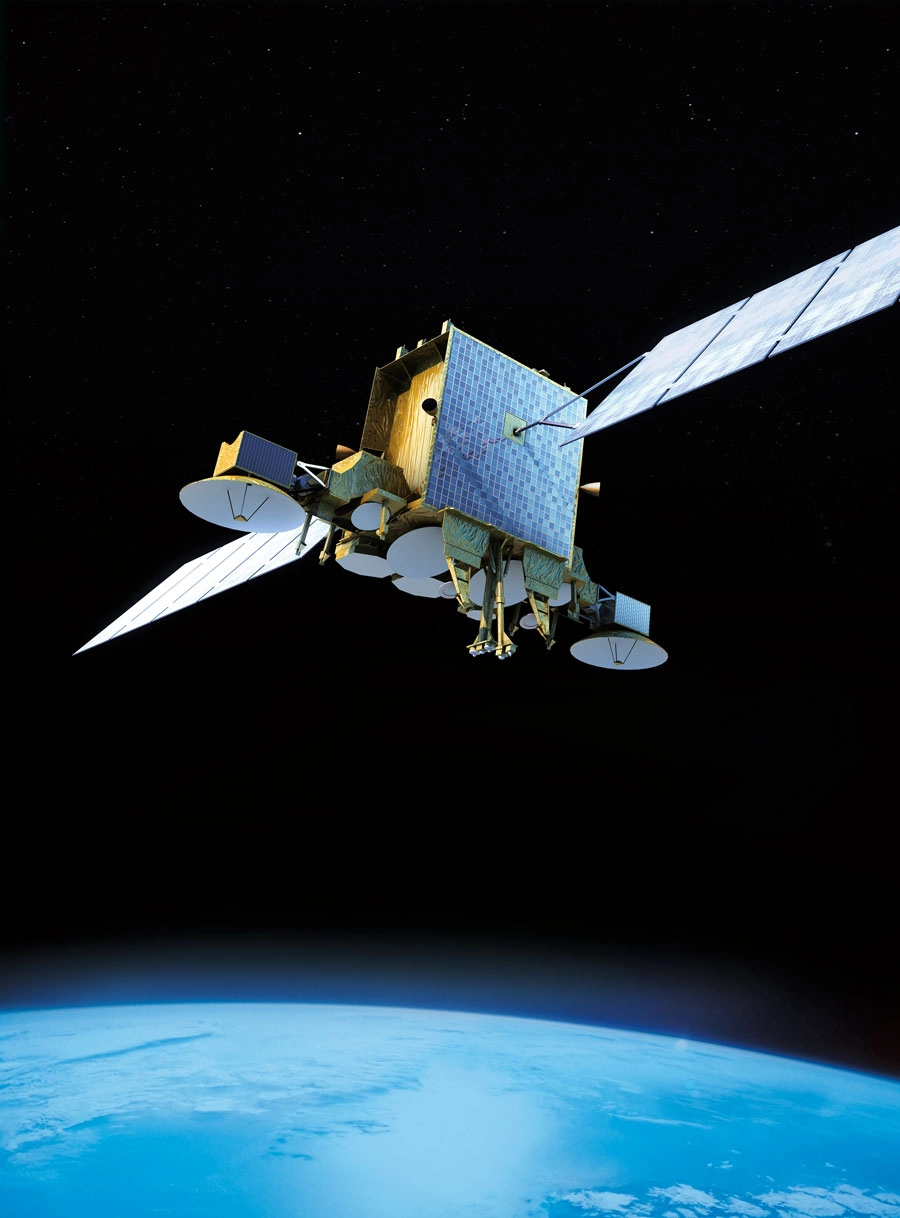
Satellites have revolutionized modern communication, broadcasting, navigation, and weather monitoring. From watching international news channels to using GPS while driving, satellites are an essential part of our daily lives. In this article, we explore what satellites are, their orbital types, and how to receive their signals at home.
🌍 What Is a Satellite?
A satellite is an artificial object launched into space to orbit a planet or other celestial body. Satellites are used for a wide range of applications, including:
-
Television and radio broadcasting
-
Internet and telecommunication
-
GPS and global navigation
-
Military reconnaissance
-
Weather forecasting and climate research
-
Earth observation and scientific exploration
🧭 Types of Satellite Orbits
Satellites orbit the Earth at different heights depending on their mission. The three main types of satellite orbits are:
1. LEO – Low Earth Orbit (160 km – 2,000 km)
-
Orbits Earth in 90–120 minutes
-
Used for: internet (e.g., Starlink), Earth imaging, space stations (ISS)
-
Low latency and high resolution
-
Requires many satellites for global coverage
2. MEO – Medium Earth Orbit (2,000 km – 35,786 km)
-
Orbits Earth in 2–12 hours
-
Used for: GPS, GLONASS, Galileo navigation systems
-
Balanced latency and coverage
-
Fewer satellites needed than LEO
3. GEO – Geostationary Orbit (35,786 km)
-
Remains fixed over one location on the equator
-
Orbits the Earth in 24 hours (same as Earth’s rotation)
-
Used for: TV broadcasting (e.g., Nilesat, Hotbird), communications, weather satellites
-
Provides constant coverage of a large area
-
Higher latency but ideal for broadcasting
📡 How to Receive Satellite Signals at Home
To watch satellite TV or receive satellite data, you need a satellite reception system. Here’s how it works:
🧰 Essential Components:
| Component | Function |
|---|---|
| Satellite Dish | Captures signals from the satellite and reflects them to the LNB |
| LNB (Low-Noise Block) | Converts and amplifies signals from the satellite into usable frequencies |
| Receiver (Decoder) | Translates satellite signals into video/audio or data |
| TV or Monitor | Displays the content |
🛰️ Steps to Receive a Satellite Signal:
-
Choose the Right Satellite:
Example: Hotbird (13°E), Nilesat (7°W), Astra (19.2°E) -
Position the Dish:
-
Use a compass or satellite finder to align the dish to the satellite’s position.
-
Adjust azimuth (left/right), elevation (up/down), and skew (LNB tilt).
-
Fine-tune the signal using a signal meter or the receiver’s signal strength screen.
-
-
Connect the Equipment:
-
Connect LNB to the receiver using a coaxial cable.
-
Connect the receiver to your TV using HDMI or AV cables.
-
-
Scan for Channels:
-
Use your receiver’s menu to scan transponders or manually enter frequency settings.
-
Example:
-
- Save Channels and Enjoy!
💡 Tips for Better Signal Quality:
-
Use a high-quality dish (at least 60–80 cm for most satellites).
-
Ensure there are no obstacles (trees, buildings) between the dish and the sky.
-
Secure the dish firmly to avoid movement due to wind.
-
Weather can affect signal—especially heavy rain (known as rain fade).
🛰️ Popular Broadcasting Satellites:
| Satellite Name | Orbital Position | Usage |
|---|---|---|
| Nilesat | 7° West | Arabic and African channels |
| Hotbird | 13° East | European and some Arabic TV |
| Astra 19.2°E | 19.2° East | Western European channels |
| Galaxy 19 | 97° West | North American international TV |
With the frequency details now fully outlined, you’re equipped to capture every channel with confidence. To elevate your setup from reliable to exceptional, incorporate these essential tweaks that make a real difference in daily performance.
Essential Tweaks for Exceptional Satellite Performance
- Adjust LNB Skew Precisely: Rotate your LNB slightly while monitoring live signal quality; a 1-2 degree tweak can often boost marginal signals to full lock.
- Isolate from Electrical Noise: Route cables far from fluorescent lights, dimmers, and Wi-Fi routers—electromagnetic interference is a common hidden cause of pixelation.
- Utilize High-Quality Splitters: For multi-room setups, use powered splitters with low insertion loss to maintain strong signals across all outlets.
- Run Quick Signal Tests: Use your receiver’s built-in test function on a strong transponder before finalizing alignment—this confirms everything is optimal from the start.
- Keep a Backup Receiver Ready: Have a spare or secondary receiver for testing new frequencies without disrupting your main viewing setup.
You’re all set to enjoy seamless satellite entertainment. Signal Flow remains dedicated to bringing you the sharpest updates from the skies—stay tuned for more frequencies, more channels, and more discoveries ahead!
With today’s frequency details fresh in hand, you’re all set to lock onto the signals and enjoy uninterrupted broadcasts. To help you sustain peak performance and avoid common pitfalls, here are some essential practices every satellite user should adopt.
Essential Practices for Sustained Signal Excellence
- Prioritize Cable Management: Route coaxial cables away from power lines and electronic devices to minimize electromagnetic interference, and secure them properly to prevent water ingress or physical damage.
- Calibrate for Local Conditions: Adjust your dish size or LNB based on your region’s rainfall rate—areas with frequent heavy rain benefit from larger dishes to combat rain fade effectively.
- Automate Transponder Monitoring: Set your receiver to perform periodic network searches; this catches new channels or shifted frequencies without manual intervention.
- Log Signal Variations: Track daily signal strength readings during different times and weather conditions to identify patterns and address potential weaknesses early.
- Secure Your Installation: Use sturdy mounts and rust-resistant hardware to withstand wind and environmental stress, ensuring your dish stays aligned year-round.
You now have the tools and knowledge for outstanding satellite reception. Signal Flow remains your reliable partner in navigating the orbital world—stay connected, explore new horizons, and we’ll bring you the next wave of updates soon!
The latest frequency and technical specifications are now at your fingertips, ready to transform your satellite experience. To ensure long-term stability and maximum enjoyment, keep these key considerations in mind as you finalize your setup.
Key Considerations for Long-Term Satellite Stability
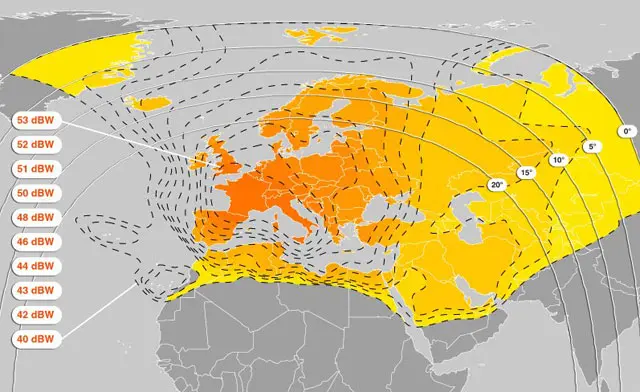
- Assess Your Coverage Zone: Check official footprint maps for the specific beam you’re targeting—being in a strong coverage area often allows for smaller dishes and more forgiving alignment.
- Balance Dish Size Appropriately: Don’t oversize unnecessarily; a dish too large for your location can pick up adjacent satellite interference, while one too small struggles with weak signals.
- Update Receiver Firmware Regularly: Manufacturers often release updates that improve lock times, error correction, and support for new modulation standards like DVB-S2X.
- Label Everything Clearly: Mark your cables, switches, and LNB ports with weatherproof tags—this small step saves hours of troubleshooting during future expansions or repairs.
- Plan for Expansion Early: Leave spare cable length and consider scalable splitters if you might add more receivers or switch to multisatellite systems later.
Your satellite system is now primed for outstanding performance. Signal Flow will keep tracking every change in the orbital landscape to bring you reliable, up-to-the-minute updates. Enjoy the crystal-clear feeds, and we’ll catch you on the next frequency drop!